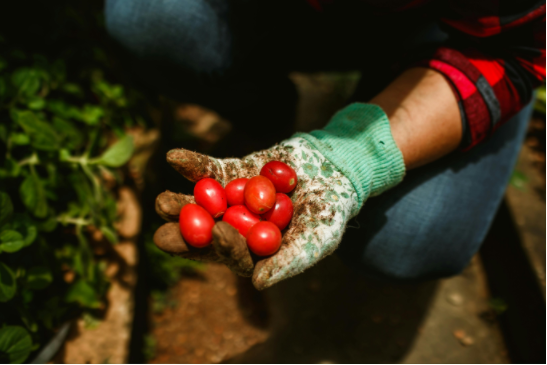
Growing your own crops at home has become an increasingly popular way to live more sustainably while gaining greater control over what you eat. With growing awareness of environmental impact and food sourcing, many people are turning to eco friendly gardening practices that minimize waste, conserve resources, and promote long term soil health. Whether you have a backyard, a balcony, or even a sunny windowsill, there are effective ways to cultivate fresh produce while reducing your environmental footprint.
Building Healthy Soil Naturally
The foundation of any successful and sustainable garden begins with healthy soil. Rather than relying on synthetic fertilizers, many home growers are embracing natural soil enrichment methods such as composting. Kitchen scraps like fruit peels, vegetable trimmings, and coffee grounds can be transformed into nutrient rich compost that improves soil structure and fertility.
Adding organic matter not only feeds your plants but also supports beneficial microorganisms that contribute to long term soil vitality. Over time, this creates a balanced growing environment where crops can thrive without the need for chemical inputs. Mulching is another effective practice, helping retain moisture, suppress weeds, and reduce the need for frequent watering.
Healthy soil is not a one time effort but an ongoing process. Rotating crops and avoiding over planting in the same area will help maintain nutrient levels and prevent soil depletion.
Conserving Water Through Smart Techniques
Water conservation plays a key role in green gardening practices. Traditional watering methods can lead to significant waste, especially during warmer months. Instead, techniques such as drip irrigation and soaker hoses deliver water directly to plant roots, reducing evaporation and improving efficiency.
Collecting rainwater is another simple and effective way to reduce reliance on municipal water systems. By using barrels or containers to gather rainfall, gardeners can create a natural and cost effective water source for their crops.
Timing also matters when it comes to watering. Early morning or late evening watering reduces evaporation and ensures that plants receive the moisture they need without unnecessary loss. Choosing drought tolerant plant varieties when possible can further reduce water consumption while maintaining a productive garden.
Choosing Sustainable and Diverse Plant Options
Plant selection has a significant impact on the sustainability of your home garden. Native plants and locally adapted varieties tend to require fewer resources because they are already suited to the environment. They often need less water, fewer nutrients, and are more resistant to local pests and diseases.
Growing a diverse range of crops can also improve overall garden health. Companion planting allows certain plants to support each other by naturally deterring pests or improving soil conditions. For example, pairing herbs with vegetables can create a more balanced ecosystem.
Some gardeners explore cultivating specialty crops such as cannabis seeds within a controlled home environment, where attention to soil quality, water usage, and lighting can align with sustainable practices. Regardless of the plant type, focusing on diversity helps create resilience and reduces the need for chemical interventions.
Reducing Waste with Reusable and Recycled Materials
A sustainable garden extends beyond plants to include the materials used in growing them. Reusing containers, repurposing household items, and choosing durable tools can all contribute to a lower environmental impact. Items such as wooden crates, glass jars, and even old buckets can be transformed into functional planters.
Avoiding single use plastics and choosing biodegradable alternatives whenever possible further supports eco friendly gardening goals. Natural fiber pots and compostable seed starters are widely available and provide effective alternatives to traditional plastic options.
Seed saving is another valuable practice that reduces waste while preserving plant varieties. By collecting seeds from healthy plants at the end of each growing season, gardeners can create a self sustaining cycle that minimizes the need for repeated purchases.
Using Natural Pest Management Strategies
Managing pests without relying on harsh chemicals is an essential part of green gardening. Natural pest control methods focus on prevention and balance rather than elimination. Introducing beneficial insects such as ladybugs can help control harmful pests without disrupting the ecosystem.
Physical barriers like row covers and netting can protect crops from insects and animals without resorting to chemical solutions. Homemade remedies using ingredients like neem oil or mild soap solutions can also be effective when applied carefully.
Maintaining plant health through proper spacing, watering, and soil care reduces vulnerability to pests in the first place. A balanced garden ecosystem is less likely to experience severe infestations, making natural methods both practical and sustainable.
Conclusion
Adopting greener methods for growing crops at home is a meaningful way to support both personal well being and environmental responsibility. By focusing on healthy soil, efficient water use, thoughtful plant selection, waste reduction, and natural pest management, gardeners can create productive spaces that align with sustainable values. Even small changes can lead to significant improvements over time, making it possible to enjoy fresh, homegrown food while minimizing impact on the planet.