Picture this: your shy cat creeps toward a new automatic litter box, ears flattened, body low to the ground. A sudden whirring sound kicks in, and she bolts from the room—refusing to return for hours. For owners of timid or larger cats, this scenario isn’t just frustrating; it raises genuine safety concerns. Standard automatic litter boxes often feature loud motors, abrupt cleaning cycles, and open designs that leave sensitive cats feeling exposed and vulnerable. The wrong model can cause more than anxiety—it can lead to litter box avoidance, physical injuries from pinching mechanisms, or chronic stress that affects your cat’s health.
So how do you find an automatic litter box that keeps your nervous feline both safe and comfortable? The answer lies in understanding which safety features matter most—from enclosed designs that offer privacy to advanced sensors that prevent harm. This article will guide you through the specific risks timid cats face, the essential features that eliminate those dangers, and practical steps to make the transition smooth and stress-free for even the most cautious companion.
The Anxiety Factor: Why Timid Cats Struggle with Standard Automatic Litter Boxes
A timid cat isn’t simply shy—she’s a feline whose nervous system runs on high alert. These cats startle at unexpected sounds, avoid unfamiliar objects, and need predictable routines to feel secure. Breeds like Russian Blues and rescue cats with traumatic histories often fall into this category, though any cat can develop a sensitive temperament.
Standard automatic litter boxes present a perfect storm of stressors for these animals. Loud grinding motors activate without warning, rotating mechanisms create vibrations that travel through the floor, and open-top designs leave cats feeling exposed during their most vulnerable moments. When a cleaning cycle triggers while a timid cat is nearby—or worse, still inside—the experience can be deeply traumatic. The consequences extend beyond a single scare. Cats who associate the litter box with fear often develop avoidance behaviors, eliminating on carpets, behind furniture, or in closets instead. Chronic stress from repeated negative encounters can manifest as urinary tract issues, over-grooming, or appetite loss. For larger cats, the problem compounds—cramped interiors and unstable bases make them feel trapped rather than protected. These cats don’t need just any automatic solution; they need designs built specifically around their emotional and physical safety.
Essential Safety Features in an Automatic Cat Litter Box for Timid Cats
Not all automatic litter boxes are created equal, and for timid cats, the difference between a well-designed unit and a generic one can determine whether your cat uses it at all. The right combination of safety features transforms an intimidating machine into a welcoming, secure space. These features directly address the core concerns of anxious felines: feeling exposed, being startled, and risking physical harm. Here’s what matters most when evaluating options for your sensitive companion.
Enclosed Litter Box Design: Security and Privacy for Timid Cats
An enclosed design acts as a sanctuary for nervous cats. The walls and roof create a den-like atmosphere that satisfies a cat’s instinct to eliminate in protected spaces, shielding them from visual stimuli that might trigger anxiety. Enclosed models also contain odors more effectively and muffle internal mechanical sounds, making the entire experience less overwhelming. For timid cats who freeze or flee when they feel watched, this privacy barrier is often the single most important factor in consistent litter box use.
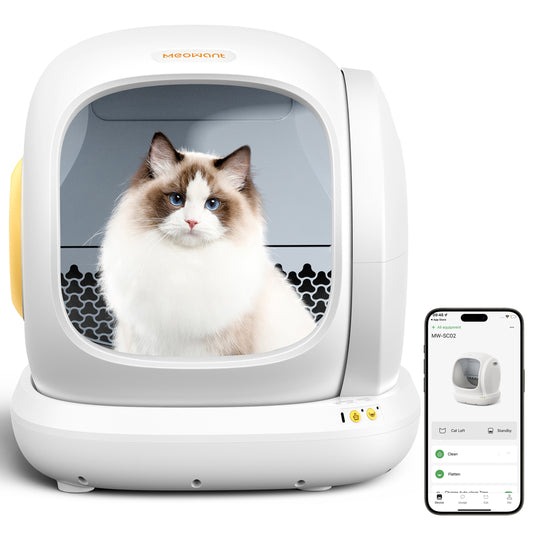
Cat Litter Box with Safety Features: What to Look For
Beyond enclosure, look for delay timers that postpone cleaning cycles until your cat has fully exited—giving slow, cautious cats ample time to leave without triggering the mechanism. Gentle ramp entries eliminate the need to jump into an unstable unit, which is especially important for larger or older cats. Non-pinching mechanisms with rounded edges prevent physical injury, while weight sensors detect a cat’s presence and immediately halt all movement if re-entry occurs mid-cycle.
Noise Reduction and Calming Technology
Sound is the primary trigger for most timid cats. Models equipped with low-decibel motors operating below 45 dB—roughly the volume of a quiet library—prevent the startling bursts of noise that send anxious cats running. Some units incorporate gradual startup sequences that ease into cleaning rather than activating abruptly. This quiet operation means the cat litter box automatic system fades into the background of your home rather than becoming an unpredictable source of stress your cat learns to avoid.
Spotlight on the Meowant SC03 Safety Design: A Tailored Solution
When evaluating automatic litter boxes built for sensitive cats, the Meowant SC03 safety design stands out as a purpose-built solution that addresses every major concern timid and larger cats face. Rather than retrofitting standard automation with afterthought safety additions, this design integrates protection and comfort from the ground up.
The SC03 features an enhanced enclosure with a spacious interior that accommodates larger cats without creating the cramped, trapped feeling that triggers panic. Its soft-close lid eliminates the startling clap of hard plastic that sends nervous cats scattering, instead settling into place with barely a whisper. The entry ramp slopes gently, providing stable footing that gives hesitant cats confidence as they approach—no leaping required, no wobbling platform to navigate.
What truly distinguishes the SC03 is its adaptive sensor system. Unlike basic weight sensors that simply detect presence, these sensors track movement patterns and adjust cycle timing accordingly. If your cat lingers near the entrance after use—common behavior for cautious felines who check their surroundings before fully committing to leaving—the system waits. If any motion is detected within the unit’s proximity during a cycle, operation halts immediately and doesn’t resume until the area is completely clear.
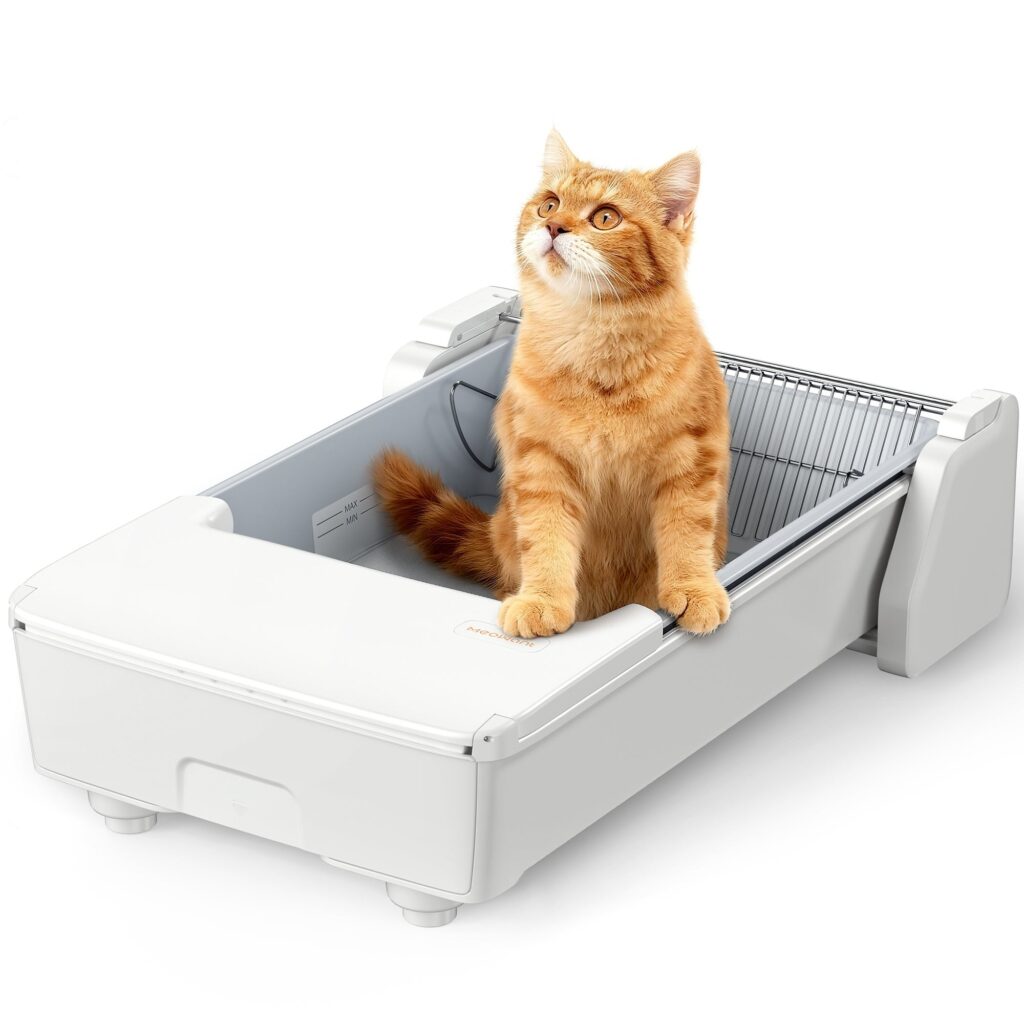
Compared to generic automatic models that prioritize cleaning speed over feline wellbeing, the SC03 operates on the principle that a litter box is only useful if your cat actually feels safe using it. Generic units often feature exposed rotating drums, loud motor engagement, and minimal delay windows that assume all cats exit quickly and confidently. The SC03 rejects these assumptions entirely, building every function around the behavioral reality of anxious cats. The result is a unit that timid cats approach willingly rather than one they learn to fear—transforming an automated convenience into a genuine comfort for both cat and owner.
Practical Steps to Choose and Introduce a Safe Automatic Litter Box
Knowing which features matter is only half the equation. The way you select, introduce, and maintain an automatic litter box determines whether your timid cat ultimately accepts it as a safe, everyday part of her routine. These practical steps bridge the gap between purchasing the right unit and achieving consistent, stress-free use.
Step 1: Selecting the Right Litter Box for Your Timid Cat
Start by measuring your cat—larger cats need an interior where they can turn around fully without touching the walls or ceiling. Test the unit’s stability by pressing down on it; any rocking or shifting will unnerve a cautious cat immediately. Prioritize models with low-entry ramps over high-step designs, and confirm that safety sensors are integrated rather than optional add-ons. An enclosed design like the SC03 checks multiple boxes simultaneously, but regardless of brand, choose safety over cleaning speed every time. If your cat has shown fear responses before, automation should be the last feature you evaluate—not the first.
Step 2: Gradual Introduction and Acclimation Techniques
Place the new litter box in a quiet, familiar location with the power completely off for the first week. Fill it with your cat’s current litter brand so the scent feels recognizable. Leave the lid open or the entrance unobstructed, and scatter a few treats near the ramp to build positive associations. Once your cat uses it confidently unpowered, activate the unit only when she’s in another room so she hears the sound at a safe distance. Over several days, allow cycles to run closer to her normal bathroom schedule until she tolerates the operation without reacting.
Step 3: Ongoing Monitoring and Maintenance for Safety
Check the mechanism weekly for litter buildup that could cause jams or louder-than-normal operation. Inspect ramp surfaces for wear that reduces grip, and test sensors monthly by placing a lightweight object inside during a cycle to confirm immediate shutoff. Watch your cat’s behavior closely—returning to eliminating outside the box, excessive grooming, or reluctance to enter the room signals something has changed. Clean the interior thoroughly on a regular schedule, because odor accumulation inside an enclosed space can become its own deterrent. Sustained comfort requires ongoing attention, not just a good initial setup.
Prioritizing Safety and Comfort for Your Timid Cat’s Litter Box Experience
Timid cats deserve automation that works with their temperament, not against it. The key takeaways are clear: enclosed designs provide the privacy and security anxious cats need, while features like delay timers, low-decibel motors, and adaptive sensors eliminate the physical and emotional risks that standard models create. Purpose-built solutions like the Meowant SC03 safety design demonstrate that convenience and feline wellbeing don’t have to compete—they can coexist in a single, thoughtfully engineered unit.
As an owner, your priority should always be your cat’s comfort and safety above cleaning efficiency or technological novelty. The most advanced automatic litter box means nothing if your cat refuses to step inside it. By choosing models with integrated safety features, introducing them gradually, and maintaining them consistently, you can give even the most cautious cat a stress-free experience. With patience and the right equipment, automatic litter boxes become not a source of fear but a reliable, quiet part of your timid cat’s daily routine—one she approaches with confidence rather than dread.