Infrastructure is often viewed as the backbone of any organization, property, or community. It supports daily operations, ensures safety, and helps maintain long term value. Yet many systems, whether physical or organizational, are subject to gradual wear and degradation. When small issues are overlooked or deferred, they accumulate over time and create what is often referred to as infrastructure debt. This concept represents the growing cost of postponed maintenance and neglected improvements. Ultimately, the longer these deficits go unaddressed, the more complex and expensive they become.
Understanding infrastructure debt is essential for property owners, business leaders, and decision makers who want to preserve value and avoid unexpected disruptions. By recognizing the early signs of deterioration and taking proactive steps, it is possible to reduce long term costs and maintain stability.
Understanding the Nature of Infrastructure Debt
Infrastructure debt does not develop overnight. It builds gradually through a series of small, often unnoticed issues. These might include minor structural flaws, aging materials, outdated systems, or deferred repairs. At first, these concerns may seem insignificant, especially when budgets are tight or priorities shift elsewhere.
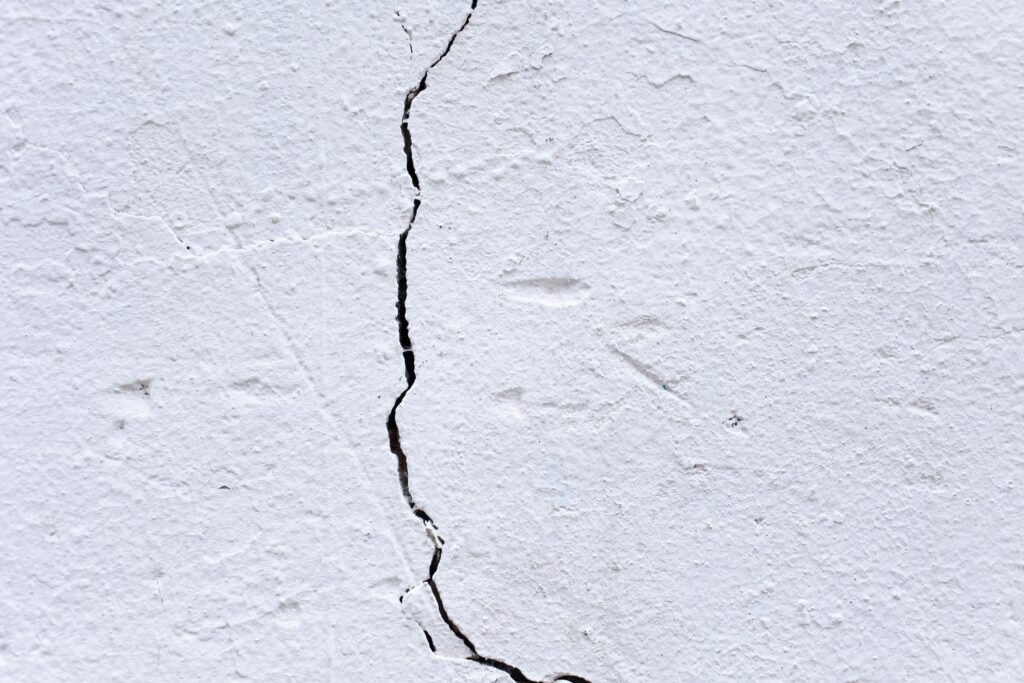
However, each unresolved issue contributes to a larger problem. Small cracks can expand, worn components can fail, and inefficient systems can strain resources. Over time, what could have been a simple repair becomes a major project requiring significant investment.
In many cases, infrastructure debt is not just a financial issue. It also affects performance, safety, and reliability. A poorly maintained system is more likely to experience unexpected failures, which can disrupt operations and create additional costs. Recognizing this cumulative effect is key to addressing the problem before it escalates.
The Hidden Costs of Deferred Maintenance
Deferring maintenance may provide short term financial relief, but it often leads to higher expenses in the future. When repairs are postponed, damage continues to spread. This increases the scope of work needed to restore the system and raises overall costs.
Energy inefficiency is another hidden expense tied to infrastructure debt. Aging systems and compromised structures often require more energy to function properly. This leads to higher utility bills and places additional strain on equipment. Over time, these incremental increases can represent a substantial financial burden.
There are also indirect costs to consider. Disruptions caused by system failures can impact productivity, customer satisfaction, and overall operations. In commercial settings, these disruptions may result in lost revenue or damage to reputation. In residential settings, they can reduce comfort and quality of life.
Addressing maintenance needs early helps prevent these cascading effects. Investing in small repairs and updates can significantly reduce the risk of more complex and costly issues later on.
Structural Integrity and Long-Term Risk
One of the most critical aspects of infrastructure debt is its impact on structural integrity. Buildings, roadways, and other physical systems rely on consistent upkeep to remain safe and functional. When maintenance is delayed, even minor issues can compromise the strength and stability of these structures.
For example, water intrusion is a common source of structural damage. A small leak may go unnoticed at first, but over time it can weaken materials, promote mold growth, and lead to extensive repairs. In some cases, what begins as a minor issue can necessitate large scale corrective measures. Homeowners facing advanced deterioration may find themselves needing Austin roofing replacement services or those in their area, which could have been avoided or minimized with earlier intervention.
This pattern applies across many types of infrastructure. Whether dealing with electrical systems, plumbing, or exterior surfaces, neglect increases vulnerability. Regular inspections and timely repairs are essential for maintaining structural integrity and reducing long term risk.
Financial Planning and Preventative Investment
Managing infrastructure debt requires a shift in perspective from reactive spending to proactive investment. Instead of waiting for systems to fail, organizations and homeowners benefit from planning ahead and allocating resources for maintenance.
Budgeting for routine upkeep allows for more predictable expenses. This approach reduces the likelihood of unexpected costs and helps maintain financial stability. Preventative measures, such as inspections and minor repairs, are typically far less expensive than major overhauls.
Long term planning also involves evaluating the lifecycle of key systems. Understanding when components are likely to require replacement allows for better scheduling and resource allocation. This reduces the risk of emergency repairs, which often come with higher costs and added stress.
Investing in quality materials and professional services can further reduce infrastructure debt. While the upfront cost may be higher, durable solutions tend to last longer and require less frequent maintenance. This results in greater value over time.
Creating a Culture of Ongoing Maintenance
Addressing infrastructure debt is not solely about individual repairs. It requires a mindset that prioritizes ongoing care and attention. Establishing a culture of maintenance helps ensure that small issues are identified and resolved before they grow into larger problems.
Regular inspections are a key part of this approach. By consistently evaluating systems and structures, potential risks can be detected early. Maintenance schedules should be clearly defined and followed, with responsibilities assigned to ensure accountability.
Education also plays a role. Property owners, employees, and stakeholders benefit from understanding how infrastructure functions and what signs of wear to look for. Increased awareness leads to quicker responses and more effective decision making.
Technology can support these efforts by providing tools for monitoring and tracking performance. Digital systems can identify inefficiencies, detect abnormalities, and provide data that informs maintenance strategies. This allows for a more proactive and informed approach to managing infrastructure.
Conclusion
Infrastructure debt is a gradual but impactful challenge that arises when small deficits are ignored over time. What begins as minor wear or deferred maintenance can develop into significant financial and structural concerns. The long term costs extend beyond repairs, affecting efficiency, safety, and overall performance.
By recognizing the importance of early intervention and consistent upkeep, property owners and organizations can reduce risk and maintain stability. Proactive planning, regular inspections, and a commitment to maintenance create a strong foundation for long term success. Addressing issues as they arise helps prevent the accumulation of infrastructure debt and ensures that systems continue to function reliably for years to come.