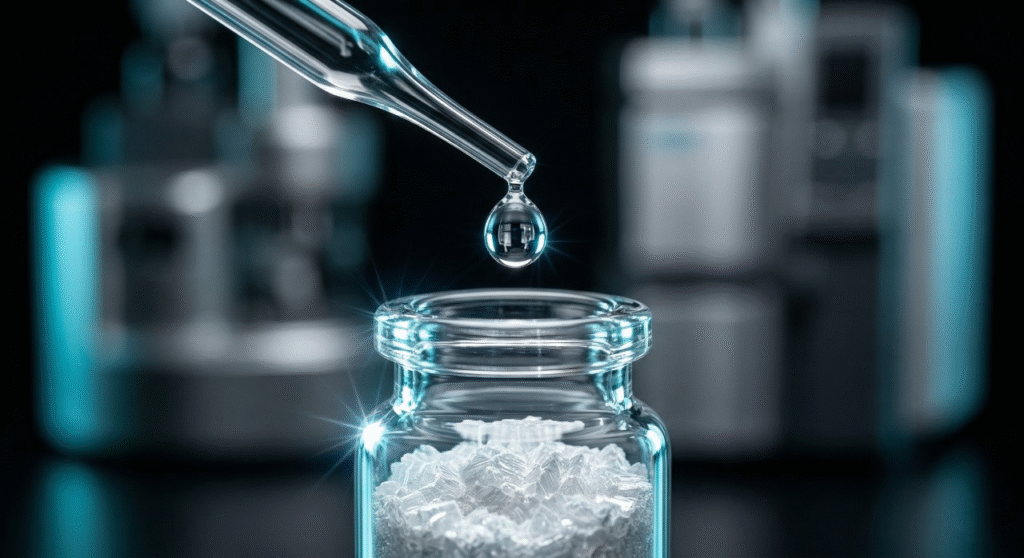
Scientific research continues to evolve with new molecular tools and synthetic compounds that help structural biologists explore complex cellular processes. From mapping intracellular signaling cascades to studying extracellular matrix remodeling, peptides have become an essential part of modern analytical studies. As in-vitro methodologies advance, laboratory directors and principal investigators are actively searching for reliable sources of research peptides for sale to support their cell culture assays and ensure accurate, reproducible data.
Peptides are short chains of amino acids that exhibit highly precise structural conformations. In controlled laboratory settings, they are utilized strictly as molecular probes to study cellular bioenergetics, receptor-ligand binding kinetics, and protein interactions. Because of their versatility and structural specificity, synthetic peptides have become invaluable reagents in modern biochemical analysis.
Why Peptides Are Essential in In-Vitro Research One of the primary reasons synthetic peptides are widely utilized is their ability to precisely isolate cellular communication networks. Unlike cumbersome full-length proteins, targeted peptide sequences allow researchers to observe how specific cellular receptors are activated within an isolated microenvironment, entirely free from the confounding variables present in whole-organism models.
Furthermore, peptides are highly customizable. Scientists can engineer specific amino acid sequences to probe targeted binding domains. This level of molecular customization allows principal investigators to design highly precise in-vitro assays tailored to their exact analytical requirements.
The Growing Demand for HPLC-Verified Reagents As the reliance on synthetic peptides increases, so does the demand for uncompromising analytical quality. Researchers must ensure that the reagents they utilize meet strict >99% purity standards. This is why finding trusted scientific providers with verified research peptides for sale has become a top priority for institutional laboratories.
Utilizing low-quality compounds containing residual synthesis solvents or truncated sequence fragments can trigger non-specific cellular stress responses, completely invalidating expensive tissue cultures. In advanced laboratory research, structural reliability is critical; even minor impurities can severely skew analytical data. Reputable scientific distributors maintain transparency by providing comprehensive technical documentation, including High-Performance Liquid Chromatography (HPLC) readouts and Certificates of Analysis (CoA) for every batch.
What to Consider Before You Buy Research Peptides When principal investigators evaluate digital catalogs to buy research peptides, several critical factors must be considered to secure high-fidelity molecular tools:
- Analytical Purity: >99% purity verified by mass spectrometry and HPLC is the absolute baseline for reproducible in-vitro assays.
- Environmental Stability: High-quality peptides are supplied in a lyophilized (freeze-dried) state. They must be packaged in secure, climate-stable vials to prevent photo-oxidation and thermal degradation during transit.
- Strict Handling Protocols: A reliable supplier will provide clear technical guidance on appropriate chemical reconstitution using laboratory solvents, as well as strict storage parameters (such as -20°C freezing protocols).
- Technical Support: Established distributors offer comprehensive datasheets detailing molecular weights and sequence accuracy, ensuring the compound matches the exact needs of the experimental design.
Overcoming Challenges in Structural Biology While synthetic peptides are highly effective molecular tools, preserving their structural integrity requires meticulous laboratory handling. Lyophilized compounds are sensitive to mechanical shearing and rapid thermal shifts. Improper reconstitution can lead to peptide bond hydrolysis, fundamentally altering the molecule’s conformation and rendering it biochemically inactive.
By adhering to strict laboratory protocols and utilizing single-use aliquots to prevent repeated freeze-thaw cycles, bench scientists can effectively mitigate these physical challenges and ensure their reagents remain stable throughout the duration of the assay.
Conclusion As analytical methodologies become increasingly sophisticated, the requirement for high-purity molecular probes will continue to grow. Digital procurement platforms have modernized laboratory supply chains, providing efficient access to diverse sequences. By partnering with verified scientific distributors and prioritizing HPLC-tested reagents, investigators can confidently execute their assays and generate high-fidelity scientific data.
Important Legal & Safety Notice: All compounds discussed are intended for in-vitro research and analytical use only. They are not approved for human or animal consumption. Researchers are solely responsible for ensuring their handling, reconstitution, and storage protocols meet all applicable institutional, ethical, and legal standards.