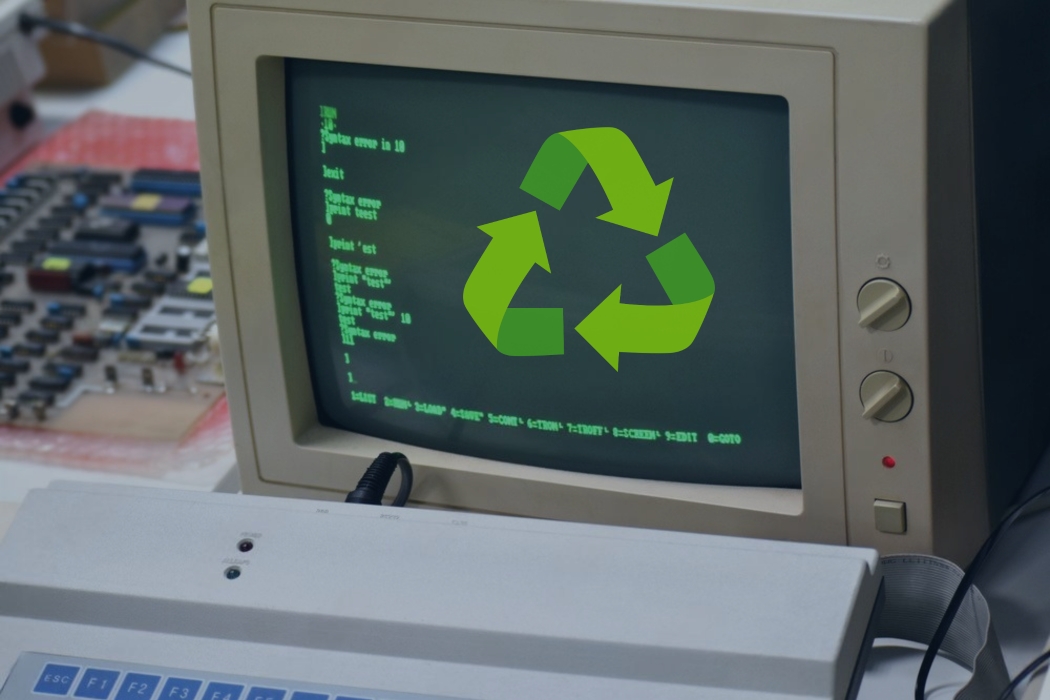
Monochrome screens remain a reliable choice for electronic devices that prioritize readability, simplicity, and energy efficiency. Unlike color displays, monochrome screens use a single color—typically black on a light background—to display text, numbers, and simple graphics. Their durability, low power consumption, and clear visibility make them suitable for industrial, medical, consumer, and automotive applications.
What is a Monochrome Screen?
A monochrome screen is a display that presents information in one color. These screens are designed for clarity and efficiency rather than color richness, providing highly readable and straightforward visual outputs. Monochrome screens are ideal for devices that require long operational life and minimal power usage.
Key Features of Monochrome Screens
Monochrome screens offer several essential features:
- High Readability: Clear and sharp text and simple graphics.
- Energy Efficiency: Consumes less power than color displays, ideal for battery-operated devices.
- Durable and Reliable: Performs well under various environmental conditions.
- Compact Form Factor: Easily fits into small or portable devices.
- Flexible Formats: Available as segment, dot-matrix, or custom modules for diverse applications.
Advantages of Using Monochrome Screens
Monochrome screens provide numerous benefits:
- Low Power Consumption: Extends battery life in portable devices.
- High Contrast: Ensures readability in different lighting environments.
- Cost-Effective: Cheaper to manufacture than full-color displays.
- Durable Design: Resistant to frequent use and environmental factors.
- Simplicity: Perfect for displaying text, numbers, or basic icons without unnecessary complexity.
Applications of Monochrome Screens
Monochrome screens are widely used in a variety of industries:
- Industrial Equipment: Meters, control panels, and monitoring devices.
- Medical Devices: Portable monitors, diagnostic instruments, and patient monitoring systems.
- Consumer Electronics: Calculators, digital watches, and basic handheld devices.
- Automotive: Instrument clusters, secondary displays, and odometers.
- Home Appliances: Thermostats, microwaves, and washing machines with simple display interfaces.
Types of Monochrome Screens
There are several types of monochrome screens available:
- Segment Displays: Predefined numeric or alphanumeric segments used in clocks, meters, and calculators.
- Dot-Matrix Displays: Flexible screens for text, icons, and simple graphics.
- Custom Monochrome Modules: Tailored solutions for industrial, medical, or consumer applications.
Choosing the Right Monochrome Screen
When selecting a monochrome screen, consider:
- Display Format: Segment or dot-matrix depending on the type of data.
- Size and Resolution: Ensure clarity and readability for the intended application.
- Power Efficiency: Especially important for portable or battery-powered devices.
- Durability: Assess environmental resistance and lifespan.
- Supplier Reliability: Choose trusted manufacturers to ensure consistent quality and support.
Future Trends in Monochrome Screens
Monochrome screen technology continues to evolve:
- High-Contrast Panels: Improved visibility in bright and outdoor environments.
- Low-Power Innovations: Reduced energy consumption for portable electronics.
- Integration with Smart Devices: Increasingly used in IoT and wearable technology.
- Custom Solutions: Tailored monochrome screens for niche applications in industrial, medical, and consumer markets.
Conclusion
Monochrome screens remain a valuable component in modern electronics, offering energy efficiency, high readability, and reliability. They are commonly used in industrial equipment, medical devices, consumer electronics, automotive dashboards, and home appliances. Choosing the right monochrome screen ensures devices are functional, user-friendly, and cost-effective, even when full-color graphics are unnecessary.
Q & A Related to Monochrome Screens
Q: What is a monochrome screen?
A: A display that shows information in a single color, focusing on text, numbers, or simple graphics.
Q: Where are monochrome screens commonly used?
A: Industrial equipment, medical devices, consumer electronics, automotive dashboards, and home appliances.
Q: What types of monochrome screens are available?
A: Segment displays, dot-matrix displays, and custom monochrome modules.
Q: Why choose a monochrome screen over a color display?
A: They are energy-efficient, durable, cost-effective, and ideal for devices that do not require full-color graphics.