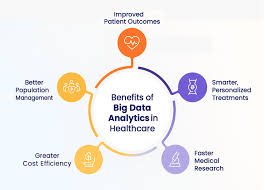
Healthcare has always been centered on people. Every decision, from diagnosis to discharge, affects a real human life. Yet modern healthcare systems are more complex than ever, with countless data points generated during each patient interaction. Turning that information into meaningful insight is no longer optional. This is where patient care analytics is making a quiet but powerful difference.
Patient care analytics is not about reducing patients to numbers. It is about using data thoughtfully to understand needs, anticipate risks, and improve outcomes. By looking beyond individual encounters and examining patterns across time and populations, healthcare teams can make more informed, compassionate decisions. Understanding how patient care analytics is used, why it matters, and the reasons it has become so important helps explain its growing role in healthcare.
What Patient Care Analytics Really Means
Patient care analytics refers to the use of data analysis to improve how care is delivered and experienced. This data can come from many sources, including medical records, lab results, care plans, and patient feedback.
Rather than focusing on isolated data points, patient care analytics looks for trends and connections. It helps answer questions such as:
- Which patients are at higher risk of complications?
- Where are gaps in care occurring?
- What interventions lead to better outcomes?
By transforming raw data into insight, analytics supports better decision-making at every level of care.
Why Data Matters in Patient Care
Every patient interaction generates information. Historically, much of this data was stored but rarely analyzed in depth. Today, the ability to interpret that data has become essential.
Patient care analytics helps healthcare teams:
- Understand patient needs more clearly
- Identify patterns that affect outcomes
- Support consistent, evidence-based care
Data does not replace clinical judgment, but it enhances it by providing a broader perspective.
Improving Outcomes Through Early Insight
One of the most important uses of patient care analytics is identifying risks early. By analyzing patient histories and trends, healthcare providers can spot warning signs before conditions worsen.
For example, analytics can help identify patients who are more likely to be readmitted or those whose chronic conditions require closer monitoring. Early intervention often leads to better outcomes and fewer complications.
This proactive approach shifts care from reactive to preventive.
Supporting Personalized Care
No two patients are exactly alike. Patient care analytics supports personalization by helping providers tailor care plans based on individual needs and histories.
By examining patterns in treatment response, analytics can guide decisions about medications, follow-up schedules, and support services. This helps ensure that care is not only effective but also appropriate for each patient.
Personalized care improves both outcomes and patient satisfaction.
Strengthening Care Coordination
Healthcare often involves multiple providers and departments. Without clear coordination, important details can be missed.
Patient care analytics helps improve care coordination by providing a shared view of patient data. When teams can see the full picture, transitions between settings become smoother.
Better coordination reduces duplication, delays, and confusion, all of which directly affect patient experience.
Enhancing Clinical Decision-Making
Healthcare professionals make complex decisions every day. Patient care analytics supports these decisions by offering evidence-based insight drawn from large datasets.
Analytics can highlight which treatments have worked best for similar patients or identify trends that may influence outcomes. This information supports confident, consistent decision-making.
Clinical expertise remains central, but analytics adds valuable context.
Improving Patient Safety
Patient safety is a top priority in healthcare. Errors often occur due to system-level issues rather than individual mistakes.
Patient care analytics helps identify patterns that may signal safety risks, such as medication interactions or frequent adverse events. By spotting these trends early, organizations can take corrective action.
Analytics supports a culture of learning and prevention rather than blame.
Measuring Quality of Care
Quality improvement requires measurement. Patient care analytics provides the tools needed to assess performance objectively.
Healthcare organizations can use analytics to:
- Track outcomes over time
- Compare performance across teams
- Identify areas for improvement
Clear measurement helps ensure that care standards are consistently met.
Supporting Patient Engagement
Patients who feel informed and involved in their care tend to have better outcomes. Patient care analytics supports engagement by improving communication and care planning.
When providers understand patient behaviors, preferences, and barriers, they can tailor education and support more effectively. This leads to stronger partnerships between patients and care teams.
Engaged patients are more likely to follow care plans and attend follow-up visits.
Reducing Inefficiencies in Care Delivery
Inefficiencies in healthcare can lead to delays, frustration, and increased costs. Patient care analytics helps identify where processes break down.
By analyzing workflows and outcomes, organizations can streamline care delivery and reduce unnecessary steps. This benefits both patients and providers.
Efficient systems allow more time for meaningful patient interaction.
Addressing Health Disparities
Health outcomes can vary widely across different populations. Patient care analytics helps identify disparities that might otherwise go unnoticed.
By examining data across demographics and communities, healthcare organizations can target interventions where they are most needed. This supports more equitable care.
Analytics provides the insight needed to move from awareness to action.
Challenges in Using Patient Care Analytics
Despite its benefits, patient care analytics is not without challenges. Healthcare data is complex, fragmented, and sensitive.
Common challenges include:
- Inconsistent data quality
- Difficulty integrating multiple systems
- Privacy and security concerns
- Limited analytics training
Addressing these challenges requires thoughtful planning and ongoing oversight.
The Importance of the Human Element
While patient care analytics provides powerful insights, it does not replace human connection. Empathy, communication, and clinical judgment remain essential.
The most effective use of analytics combines data with human understanding. Data informs decisions, but people deliver care.
This balance ensures that healthcare remains patient-centered.
Why Patient Care Analytics Is Becoming Essential
Healthcare systems face rising demands, limited resources, and higher expectations for quality. Patient care analytics offers a way to meet these challenges with insight rather than guesswork.
As digital health data becomes more widespread, the ability to analyze it effectively is becoming a core capability. Organizations that embrace analytics are better equipped to adapt and improve.
This reality explains why patient care analytics is now seen as essential rather than optional.
Looking Ahead
The future of healthcare will rely even more on data-driven insight. Advances in analytics will continue to support earlier intervention, better coordination, and more personalized care.
The focus will remain on using data responsibly, ethically, and transparently to support better patient outcomes.
Final Thoughts
Patient care analytics is changing how healthcare understands and responds to patient needs. By turning data into insight, it supports better decisions, stronger coordination, and improved outcomes.
Understanding the uses, importance, and reasons behind patient care analytics helps clarify its growing role in healthcare. When used thoughtfully, analytics strengthens care without losing sight of the human experience at its center.
In a field where every decision affects a life, seeing the bigger picture makes all the difference.