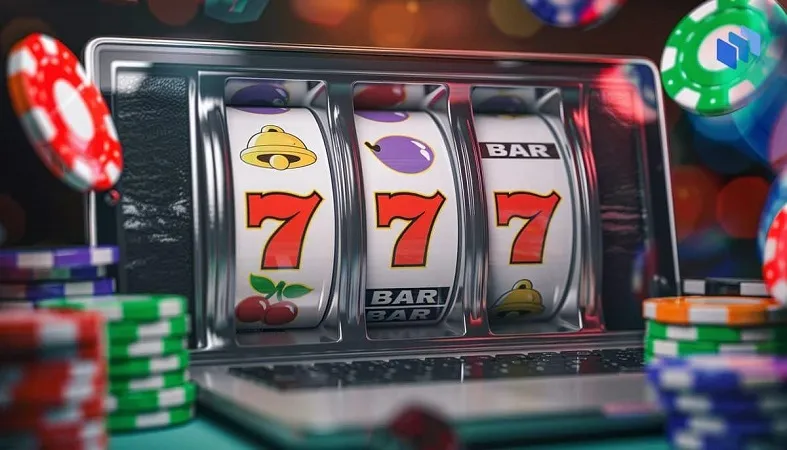
Introduction: Why Slot Machines Fascinate Us
Slot machines are everywhere. Walk into a casino, open a gambling app, or scroll through an online gaming site, and you’ll find them flashing, spinning, and singing for your attention. But have you ever stopped to wonder why slot machines have such a powerful grip on players across generations? The answer lies deep in their history. Slot machines aren’t just games of chance—they’re a fascinating blend of engineering, psychology, art, and cultural evolution.
From clunky mechanical reels to sleek digital interfaces powered by complex algorithms, slot machines have undergone a dramatic transformation. Each era introduced new technology, new rules, and new ways to keep players entertained. What started as a simple mechanical device designed to automate payouts eventually became one of the most profitable and popular forms of gambling in the world.
Understanding slot machine history helps us appreciate how far the industry has come. It also sheds light on why modern digital depo slot 10k look and feel the way they do today. So, let’s pull the lever—figuratively—and take a deep dive into the story of slot machines, from their humble beginnings to the high-tech digital experiences we enjoy now.
The Birth of Slot Machines
Before slot machines existed, gambling was a very hands-on affair. Players gathered around card tables, dice games, and roulette wheels, all of which required dealers and human oversight. While these games were popular, they also came with problems: cheating, slow gameplay, and disputes over payouts. The gambling world needed something simpler, faster, and more automated.
This need sparked the idea of a self-operating gambling machine. Early inventors experimented with mechanical devices that could generate random outcomes without human involvement. These early machines weren’t exactly slot machines as we know them today, but they laid the foundation. They used gears, levers, and spinning wheels to simulate chance, and they fascinated players with their mechanical simplicity.
The late 19th century was the perfect time for such an invention. Industrial innovation was booming, and people were becoming comfortable with machines handling tasks once done by humans. Gambling was no exception. Inventors saw an opportunity to create a device that could run continuously, pay out automatically, and attract players with minimal effort. That idea would soon materialize into a machine that changed gambling forever.
Charles Fey and the Liberty Bell
If slot machines had a birth certificate, Charles Fey’s name would be written right at the top. A mechanic from San Francisco, Fey created the first true thailand slot machine in the 1890s, known as the Liberty Bell. Unlike earlier gambling devices, the Liberty Bell was fully automated and incredibly easy to use. Insert a coin, pull the lever, and watch the reels spin. Simple, right? That simplicity was revolutionary.
The Liberty Bell featured three spinning reels and five symbols: horseshoes, diamonds, spades, hearts, and the Liberty Bell itself. Landing three Liberty Bells in a row triggered the highest payout. What made Fey’s invention special wasn’t just the symbols—it was the automatic payout mechanism. For the first time, players didn’t need a bartender or dealer to reward their win. The machine handled everything.
This innovation caught on like wildfire. Bars and saloons quickly adopted the Liberty Bell because it required little supervision and kept customers entertained. Fey never patented his invention, which allowed other manufacturers to copy and improve upon his design. That decision helped slot machines spread rapidly, cementing their place in gambling history.
Early Mechanical Slot Machines
After the success of the Liberty Bell, manufacturers rushed to create their own versions of slot machines. These early mechanical slots followed a similar structure: three reels, a side lever, and a small selection of symbols. However, competition pushed innovation. Designers experimented with different payout systems, reel combinations, and visual designs to attract players.
Symbols became an important part of slot machine identity. Bells, stars, playing card suits, and later fruit symbols dominated early machines. These images were easy to recognize and added a sense of excitement. The sound of coins clinking into a metal tray became music to players’ ears, reinforcing the thrill of winning.
Despite their popularity, mechanical slots faced limitations. Payouts were restricted by the physical size of the machine, and odds were fixed by the reel design. Still, players loved them. The tactile experience of pulling a lever and watching the reels spin created a connection that felt almost magical. These machines weren’t just games—they were mechanical wonders that turned chance into entertainment.
The Rise of Fruit Machines
Fruit machines deserve special attention because they solved a legal problem while shaping slot machine culture. In the early 20th century, many regions cracked down on gambling, making cash payouts illegal. Slot manufacturers needed a workaround, and they found it in fruit-flavored chewing gum.
Instead of paying out money, machines dispensed gum. The symbols on the reels—cherries, lemons, oranges, and plums—represented gum flavors. This clever loophole allowed slot machines to operate legally while still offering rewards. Bars and shops loved them, and players quickly embraced the colorful fruit symbols.
Even when gambling laws relaxed, fruit symbols stuck around. They became iconic, representing luck, fun, and nostalgia. To this day, many modern digital slots still use fruit themes as a nod to these early machines. It’s a perfect example of how history leaves fingerprints on modern design.
Slot Machines and the Law
As slot machines grew in popularity, governments took notice. Concerns about gambling addiction, crime, and fairness led to strict regulations and outright bans in some areas. Slot machines were often labeled as dangerous or immoral, forcing manufacturers to adapt or shut down.
Some companies relocated to regions with more relaxed laws, while others modified their machines to appear less like gambling devices. Payouts were disguised as prizes, free plays, or merchandise. These legal battles shaped the industry, pushing innovation in unexpected directions.
Ironically, regulation also helped legitimize slot machines in the long run. Licensing requirements, inspections, and standardized rules increased public trust. Players felt safer knowing machines were regulated, and casinos gained credibility. The tension between innovation and regulation became a defining feature of slot machine history.
The Electromechanical Revolution
The 1960s marked a turning point with the introduction of electromechanical slot machines. These machines combined traditional mechanical reels with electrical components, allowing for more complex gameplay and larger payouts. The most famous of these was Bally’s Money Honey.
Money Honey eliminated the need for a side lever and introduced automatic coin payouts of up to 500 coins. This was a game-changer. Casinos could now offer bigger wins, and players were thrilled by the increased excitement. The blend of lights, sounds, and mechanical movement created a more immersive experience.
Electromechanical slots paved the way for future innovation. They showed that technology could enhance entertainment without losing the charm of traditional slots. This era bridged the gap between old-school machines and the digital future that was just around the corner.
The Birth of Video Slots
The next major leap came in the 1970s with the introduction of video slot machines. These machines replaced physical reels with virtual ones displayed on a screen. At first, players were skeptical. How could you trust a machine when you couldn’t see the reels spinning?
The breakthrough came with improved graphics and transparent payout systems. Video slots allowed developers to create more paylines, bonus games, and themes. Suddenly, slots weren’t limited by physical constraints. Anything imaginable could be programmed into a game.
This shift transformed slots from simple gambling devices into interactive entertainment experiences. Players weren’t just spinning reels—they were embarking on mini-adventures, unlocking bonuses, and engaging with stories.
The Digital Age of Slot Machines
Digital technology completely redefined slot machines. Microprocessors and Random Number Generators (RNGs) ensured fairness and unpredictability. Every spin became an independent event, removing patterns and increasing trust.
Digital slots also allowed for customization. Themes based on movies, music, mythology, and pop culture became common. Sound effects, animations, and bonus features made each game unique. Slot machines were no longer just about winning—they were about immersion.
Casinos embraced digital slots because they were easier to maintain, update, and manage. Players loved the variety and excitement. This era solidified slots as the backbone of the modern gambling industry.
Online Slots and Internet Gambling
The rise of the internet brought slot machines into homes worldwide. Online casinos offered hundreds—sometimes thousands—of slot games accessible with a few clicks. Players no longer needed to travel to a casino; the casino came to them.
Online slots expanded creativity even further. Developers experimented with innovative mechanics, massive progressive jackpots, and unique bonus structures. Accessibility increased, and global audiences embraced digital gambling.
Trust and security became key concerns, leading to licensing authorities and encryption technologies. Once again, regulation and innovation worked hand in hand to shape the industry.
Modern Slot Features and Innovations
Today’s slots are packed with features: free spins, cascading reels, multipliers, and interactive bonus rounds. Progressive jackpots link machines worldwide, creating life-changing prize pools.
Behind the scenes, psychology plays a huge role. Colors, sounds, and near-miss effects are carefully designed to keep players engaged. Slots are no longer just games of chance—they’re finely tuned entertainment systems.
The Future of Slot Machines
The future looks even more exciting. Virtual reality slots could place players inside fully immersive casino worlds. Artificial intelligence may personalize gameplay based on individual preferences. Blockchain technology promises transparency and provably fair outcomes.
Slot machines continue to evolve, adapting to new technologies and player expectations. One thing is certain: as long as humans love chance and excitement, slots will keep spinning.
Conclusion: From Gears to Gigabytes
Slot machine history is a story of constant transformation. From Charles Fey’s mechanical Liberty Bell to today’s digital and online slots, each era brought innovation, challenges, and creativity. Slot machines reflect technological progress and human fascination with luck and reward. They’ve evolved from simple machines into global entertainment phenomena—and their journey is far from over.
FAQs
1. Who invented the first slot machine?
Charles Fey invented the first true slot machine, the Liberty Bell, in the 1890s.
2. Why do slot machines use fruit symbols?
Fruit symbols originated from machines that paid out gum flavors instead of money to bypass gambling laws.
3. What is an RNG in slot machines?
An RNG, or Random Number Generator, ensures each spin is completely random and fair.
4. Are online slots fair?
Licensed online slots use certified RNGs and are regularly audited for fairness.
5. What’s next for slot machines?
The future includes VR slots, AI-driven personalization, and blockchain-based fairness systems.