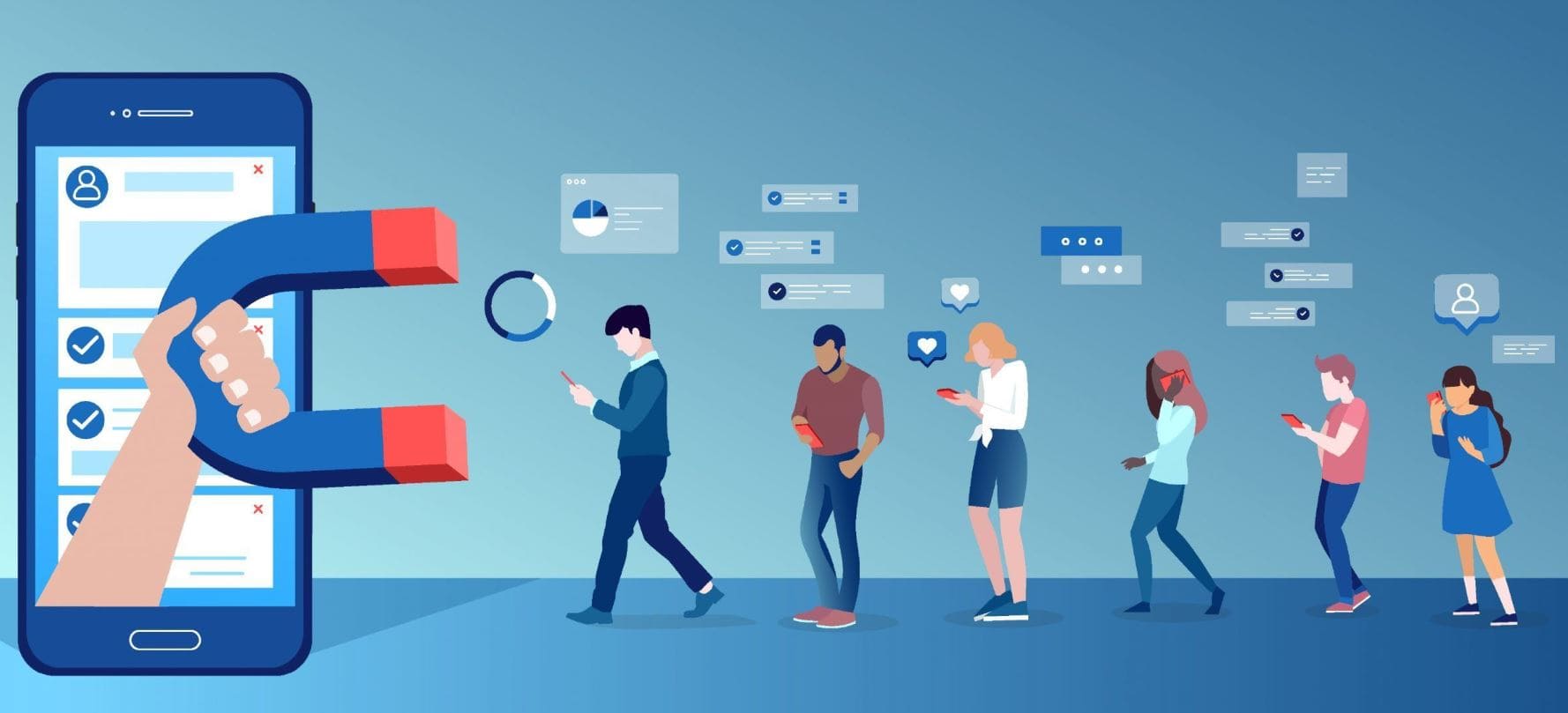
Social media has become a major part of modern communication. Millions of people use online platforms to share experiences, follow news, communicate with friends, and discover new interests.
These platforms have changed how people interact with businesses, communities, and public figures. Information can reach large audiences quickly, and users can participate in discussions from almost anywhere.
Social media also creates challenges related to privacy, misinformation, and excessive screen time. Understanding its influence can help people use these platforms more thoughtfully.
1. Connecting People Around the World
One of the biggest advantages of social media is its ability to connect people across long distances.
Friends and family members can share photographs, exchange messages, and participate in video calls. These features help people maintain relationships even when they live in different countries.
Social platforms also allow people to reconnect with former classmates, colleagues, and acquaintances. Users can join groups based on shared interests, professions, or hobbies.
These connections can create opportunities for communication and collaboration.
However, online contact is not always the same as spending time together in person. People should maintain meaningful offline relationships alongside their digital connections.
2. Sharing News and Information
Social media has changed how many people discover news and current developments. Users can follow news organizations, educational pages, and professionals who discuss topics relevant to their interests.
Information can spread quickly because users can share posts with their networks. This can help communities learn about important announcements, local events, and public discussions.
However, speed does not guarantee accuracy. Some posts contain misleading headlines, incomplete details, or false claims.
Readers should check publication dates and compare important stories with reliable sources. They should also look for the original announcement or report before sharing information.
Developing these habits can reduce the spread of misinformation.
For more interesting articles, useful information, and the latest updates on different topics, visit SosoActiveHub.org and explore our latest content.
3. Social Media for Businesses
Businesses use social media to reach potential customers and communicate with existing audiences.
A company can publish product photographs, explain its services, answer questions, and share customer feedback. These activities help customers understand what a business offers.
Small businesses may find social platforms useful because they can begin building an audience without opening a physical store in every location.
However, success requires more than creating an account. Businesses need clear information, consistent communication, and content that provides value to their audience.
They should also respond professionally to complaints and avoid making promises they cannot fulfill.
4. Opportunities for Content Creators
Social media provides opportunities for people who create educational, entertaining, or informative content.
Writers, photographers, musicians, designers, and video creators can share their work with audiences around the world. Some creators may build professional relationships or earn income through eligible platform programs, sponsorships, or services.
However, results are not guaranteed. Audience growth often requires patience, consistent quality, and an understanding of platform rules.
Creators should also respect copyright laws and obtain permission when using material they do not own.
Publishing original content and communicating honestly can help creators build a more sustainable online presence.
5. Learning Through Online Communities
Many social media communities focus on education, hobbies, and professional development.
Members can ask questions, exchange advice, and discuss practical experiences. For example, a photography group may help beginners understand lighting, while a language community may provide opportunities to practice conversation.
These discussions can introduce people to useful resources and different perspectives.
Still, not every suggestion is reliable. Members may share personal opinions that do not apply to every situation.
Users should verify important claims and seek qualified advice for specialized topics. Respectful discussions and thoughtful questions can make online communities more helpful.
6. The Effect on Mental Well-Being
Social media can provide entertainment and a sense of connection, but excessive use may affect how people feel about themselves.
Users often see selected moments from other people’s lives. Photographs and posts may show achievements, travel, or celebrations without presenting everyday difficulties.
Comparing ordinary life with these selected moments can create unrealistic expectations.
Constant notifications may also interrupt work, study, and rest. Negative comments or online harassment can make the experience more difficult.
People can improve their experience by limiting screen time, unfollowing accounts that cause unnecessary stress, and spending time on activities away from their devices.
Anyone experiencing serious or persistent emotional difficulties should consider seeking appropriate support.
7. Privacy and Personal Information
Social media users often share photographs, locations, opinions, and details about their daily routines.
Before publishing information, users should consider who may see it and how it could be used. Public posts may be copied or shared beyond the original audience.
Privacy settings can help control who sees certain content, although they cannot guarantee complete privacy.
Users should avoid sharing passwords, financial details, identification documents, or other sensitive information publicly.
They should also review application permissions and be cautious about quizzes, giveaways, or messages requesting unnecessary personal data.
Good privacy habits can reduce exposure to common online risks.
8. Understanding Online Trends
Social media trends can influence entertainment, fashion, language, and consumer choices.
A popular video or discussion may introduce a new idea to a large audience in a short time. Businesses may use trends to communicate with customers in familiar ways.
However, popularity does not automatically make a trend useful or safe. Some challenges encourage unnecessary spending or risky behavior.
Before participating, users should consider the possible consequences and check whether the information behind a trend is accurate.
People should feel comfortable ignoring trends that do not match their interests or values.
9. How Social Media Can Support Communities
Social platforms can help communities organize activities, share announcements, and discuss local concerns.
Community groups may provide information about public events, volunteer opportunities, or available services. People with similar experiences can also exchange practical advice.
During important events, online communication may help people share updates quickly.
However, false information can create confusion, especially when posts are shared without verification.
Community members should distinguish confirmed information from rumors. Clear communication and respectful discussion can help online groups remain useful.
SosoActiveHub is a helpful destination for readers who want to discover fresh ideas, informative articles, and updates across a variety of subjects.
10. Developing Healthy Social Media Habits
Healthy social media use begins with understanding how much time these platforms occupy in daily life.
Users can review screen-time reports and set realistic limits. Turning off unnecessary notifications may reduce distractions and make it easier to concentrate.
It can also help to choose specific times for checking updates instead of opening applications repeatedly throughout the day.
People should make time for exercise, hobbies, reading, and direct conversations with friends and family.
The goal is not necessarily to stop using social media. It is to ensure that online activities support rather than interfere with personal goals.
11. The Future of Social Media
Social media platforms continue to introduce new features for communication, content creation, and online communities.
Users may encounter changing recommendation systems, new privacy options, and additional tools for managing content.
Businesses and creators will need to adapt to platform changes while maintaining trustworthy communication.
Users will also benefit from stronger digital literacy. Understanding privacy, checking information, and recognizing suspicious activity will remain important skills.
The most useful online experiences will be those that help people connect, learn, and share information responsibly.
Conclusion
Social media has changed how people communicate, discover information, promote businesses, and participate in communities.
It offers opportunities for learning, creativity, and connection. However, privacy concerns, misinformation, online harassment, and excessive use require attention.
People can enjoy the advantages of social media by protecting personal information, verifying claims, and maintaining healthy digital habits.
Responsible use helps individuals benefit from online platforms while keeping their priorities and real-world relationships in focus.