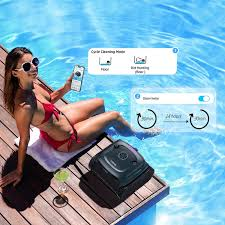
If you’ve ever spent a weekend afternoon skimming leaves, scrubbing walls, and wrestling with tangled hoses, you know the frustration of manual pool cleaning. It’s time-consuming, physically demanding, and often yields inconsistent results—especially when debris settles in hard-to-reach corners or along the waterline. For homeowners who want a sparkling pool without the backbreaking effort, AI vision technology has emerged as a genuine game-changer in automated pool maintenance.
Unlike traditional robotic cleaners that follow random or pre-set paths, AI vision pool vacuum cleaners use advanced cameras and algorithms to map your pool, detect obstacles, and target debris with remarkable precision. This comprehensive guide will walk you through everything you need to know about selecting the best AI vision pool vacuum cleaner for your home. From understanding the underlying technology and evaluating essential features to matching a model with your specific pool type and budget, you’ll gain the confidence to make an informed investment that saves hours of labor while keeping your pool consistently clean.
The Evolution of Pool Cleaning: From Manual to AI Vision
Pool cleaning has undergone a dramatic transformation over the past few decades. Early homeowners relied entirely on handheld vacuums, leaf nets, and chemical treatments—a labor-intensive routine that demanded hours of weekly attention. The introduction of suction-side and pressure-side cleaners in the 1970s and 1980s offered partial automation, though these devices moved randomly and often missed spots. Robotic pool cleaners arrived in the 1990s, bringing self-contained filtration and programmable cycles, but they still navigated using basic algorithms that couldn’t adapt to unique pool layouts. Today, AI vision technology represents the latest leap forward. By integrating onboard cameras with machine learning algorithms, these cleaners actively perceive their environment, distinguish debris from pool features, and calculate optimal cleaning routes in real time. Compared to their predecessors, AI vision models deliver complete coverage with fewer passes, avoid obstacles intelligently, and adapt to irregular pool shapes—turning what was once a chore into a fully autonomous process.
Core Benefits of AI Vision Pool Vacuum Cleaners
The most immediate advantage of an AI vision pool vacuum cleaner is the dramatic reduction in manual effort. Rather than spending your weekends hunched over the pool with a net or dragging a manual vacuum across the floor, you simply deploy the unit and let its intelligent navigation handle the rest. The onboard cameras continuously scan the pool environment, identifying leaves, sand, algae buildup, and even small particles that human eyes might miss. This precision means debris doesn’t accumulate in neglected corners or along steps where traditional cleaners often struggle.
Efficiency gains extend beyond just thoroughness. AI vision cleaners calculate the shortest, most logical cleaning path based on real-time mapping, which means they complete full cycles faster than random-pattern robots that redundantly cover the same areas. For homeowners, this translates to lower energy consumption per cleaning session and less wear on the unit’s components. The technology also adapts seamlessly to various pool configurations—whether you have a freeform lagoon shape, a rectangular lap pool, or a saltwater setup with delicate surface finishes. Saltwater compatibility is particularly noteworthy, as these cleaners are engineered to withstand corrosive environments without degrading seals or internal electronics, making them a reliable long-term solution regardless of your pool’s chemistry.
Essential Features to Evaluate in an AI Vision Pool Cleaner
AI Vision Technology and Navigation Capabilities
AI vision systems use onboard cameras to capture real-time images of your pool’s interior, feeding that data into machine learning algorithms that build a dynamic map. This allows the cleaner to distinguish between walls, steps, drains, and debris—adjusting its route accordingly. The best systems achieve near-complete coverage on the first pass, adapting effortlessly to freeform, L-shaped, or rectangular pools without repeated overlap.
Automation and Cleaning Modes
Look for models offering automated scheduling so the cleaner operates on your preferred timetable without manual intervention. Multiple cleaning modes—floor-only, wall-climbing, and waterline scrubbing—let you target specific problem areas or run comprehensive cycles. Remote control via smartphone apps adds another layer of convenience, allowing you to start, pause, or redirect the unit from anywhere in your home.
Durability and Saltwater-Resistant Design
A cleaner built with corrosion-resistant materials like reinforced polymers and titanium-coated internals will withstand harsh pool chemistry, especially in saltwater environments. Sealed motor housings and UV-stabilized exteriors prevent degradation over seasons of use. Prioritize models specifically rated for saltwater pools if that matches your setup, and check whether replacement parts like brushes and filters are readily available to minimize long-term maintenance costs.
Energy Efficiency and Smart Connectivity
Because AI vision cleaners follow optimized paths rather than random patterns, they typically consume less energy per cycle than conventional robotic cleaners. Wi-Fi-enabled models sync with dedicated apps that provide cleaning reports, filter status alerts, and firmware updates. Smart home platforms like iGarden can further enhance this connectivity, allowing you to integrate pool maintenance into a broader automated home ecosystem. This smart connectivity keeps you informed without requiring poolside supervision, ultimately reducing operating costs while maximizing cleaning performance throughout the season.
A Step-by-Step Guide to Choosing Your AI Vision Pool Vacuum Cleaner
Assess Your Pool’s Specific Needs
Start by measuring your pool’s dimensions and noting its shape—rectangular, freeform, or kidney-shaped designs each demand different navigation capabilities. Identify your primary debris challenges: heavy leaf fall requires strong suction and large filter baskets, while fine sand or algae calls for superior filtration. Determine whether you have a saltwater or chlorine pool, as this directly affects material requirements. Finally, establish a realistic budget that accounts for both the initial purchase and ongoing maintenance costs like filter replacements and brush wear.
Research and Compare Models Based on Key Features
With your pool profile defined, create a comparison checklist focusing on AI vision accuracy, wall-climbing ability, cleaning modes, and saltwater resistance. Evaluate each model’s navigation system—does it offer full mapping or partial scanning? Compare automation levels including app-based scheduling, remote directional control, and cycle customization. Check whether the unit covers floors, walls, and the waterline in a single cycle. Review warranty terms carefully, as longer coverage periods often signal manufacturer confidence in durability and component longevity.
Check Reviews and Reliability Ratings
User reviews reveal real-world performance that specifications alone cannot capture. Look for consistent feedback about cleaning thoroughness on pools similar to yours, paying attention to comments about corner coverage and obstacle handling. Expert reviews from pool industry publications offer standardized testing results and long-term durability assessments. Prioritize brands with established reputations in robotic pool cleaning, as their AI vision implementations typically benefit from years of iterative refinement and robust customer support infrastructure.
Consider Budget, Warranty, and Support
While AI vision cleaners represent a higher upfront investment than basic robotic models, calculate the long-term value by factoring in reduced professional cleaning costs, lower energy bills, and time saved weekly. A comprehensive warranty covering motors, cameras, and navigation systems protects your investment against early failures. Verify that the manufacturer offers responsive customer support and accessible replacement parts. When making your final decision, weigh total cost of ownership over three to five years rather than focusing solely on the purchase price.
Installation and Maintenance Tips for Longevity
Setting up your AI vision pool cleaner is straightforward—charge the unit fully, calibrate the navigation system according to the manufacturer’s instructions, and run an initial mapping cycle before scheduling regular cleanings. For ongoing maintenance, rinse the filter basket after each session to prevent clogging and inspect brushes monthly for wear. Clean the camera lens periodically with a soft cloth to ensure accurate obstacle detection. Store the unit out of direct sunlight when not in use to protect UV-sensitive components. If you notice erratic navigation or missed spots, reset the mapping software and check for firmware updates through the app. These simple routines preserve performance and extend the cleaner’s lifespan significantly.
Make Your Investment in Effortless Pool Maintenance
Choosing the best AI vision pool vacuum cleaner comes down to understanding how this technology transforms pool maintenance and matching its capabilities to your specific situation. The core benefits are clear: intelligent navigation eliminates manual scrubbing, real-time mapping ensures complete coverage without wasted passes, and adaptive algorithms handle any pool shape or surface type with consistent results. When evaluating models, focus on the features that matter most—AI vision accuracy, cleaning mode versatility, saltwater-resistant construction, and smart connectivity that keeps you informed without demanding your attention.
The step-by-step selection process outlined above gives you a practical framework: assess your pool’s unique characteristics, compare models against your prioritized criteria, validate your choices through reviews and reliability data, and weigh total ownership costs rather than sticker price alone. An AI vision pool cleaner is an investment in reclaimed weekends, lower long-term maintenance expenses, and a pool that stays consistently inviting. Take the next step by researching top-rated models that align with your pool type, or consult a pool maintenance professional who can recommend options tailored to your environment. Your future self—relaxing poolside instead of cleaning it—will thank you.