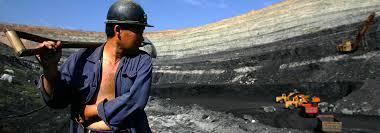
The mining industry has always been influenced by economic cycles, global demand, and technological advancements. In recent years, however, regulation has emerged as one of the most powerful forces reshaping how mining companies operate. Governments around the world are tightening standards related to environmental impact, worker safety, energy consumption, and community engagement. These changes are prompting mining organizations to rethink long‑standing practices, invest in new technologies, and adopt more transparent operational models. As regulatory frameworks continue to evolve, companies that adapt proactively are better positioned to remain competitive and sustainable in a rapidly changing landscape.
Increasing Environmental Standards and Sustainability Requirements
Environmental protection has become a central focus of modern mining regulation. Governments are implementing stricter rules around land use, emissions, water management, and waste disposal. These measures aim to reduce the ecological footprint of mining operations and ensure long‑term environmental stewardship. As a result, companies are investing in cleaner technologies, improved reclamation processes, and more efficient resource extraction methods. Compliance is no longer just a legal obligation—it has become a strategic priority that influences investor confidence and public perception. Mining organizations that embrace sustainability early often gain a competitive edge by demonstrating responsibility and reducing long‑term operational risks.
The Rise of Energy Regulations and Digital Infrastructure
Energy consumption is another area where regulation is reshaping the mining sector. Traditional mining operations require significant power, and governments are increasingly scrutinizing how that energy is sourced and used. This shift is especially evident in industries that rely on high‑density computing, such as digital asset mining. Companies offering services like bitcoin hosting must now navigate energy‑efficiency standards, renewable energy requirements, and grid‑stability policies. These regulations encourage operators to adopt greener energy solutions, optimize power usage, and collaborate with utility providers. While compliance can increase short‑term costs, it also drives innovation and supports more resilient, future‑ready operations.
Strengthening Worker Safety and Operational Oversight
Worker safety has long been a regulatory priority, but recent updates have expanded the scope and enforcement of safety standards. Governments are requiring more rigorous training, enhanced monitoring systems, and improved emergency response protocols. Technology plays a growing role in meeting these expectations. Wearable devices, automated equipment, and real‑time monitoring tools help reduce accidents and improve overall safety performance. Regulators are also increasing inspections and penalties for non‑compliance, pushing companies to maintain higher levels of accountability. These measures not only protect workers but also reduce downtime, insurance costs, and reputational risks for mining organizations.
Community Engagement and Social Responsibility Expectations
Modern mining regulations increasingly emphasize the importance of community engagement and social responsibility. Governments are requiring companies to consult with local communities, conduct social impact assessments, and contribute to regional development initiatives. These expectations reflect a broader shift toward responsible resource management and equitable economic participation. Mining companies must now demonstrate how their operations benefit surrounding communities through job creation, infrastructure investment, and environmental protection. Transparent communication and long‑term partnerships have become essential components of regulatory compliance. Organizations that prioritize community relationships often experience fewer disruptions and stronger local support.
Global Regulatory Trends and Their Impact on Competitiveness
The mining industry operates within a global marketplace, and regulatory differences between countries can significantly influence competitiveness. Some regions are tightening environmental and labor standards, while others are offering incentives to attract investment. This creates a complex landscape for multinational mining companies, which must balance compliance with operational efficiency. As global expectations shift toward sustainability and responsible governance, companies that adopt consistent, high‑quality standards across all locations are better positioned to thrive. Regulatory alignment also helps build trust with investors, customers, and international partners who increasingly prioritize ethical and sustainable business practices.
Conclusion
Regulation is reshaping the mining industry in profound and lasting ways. From environmental standards and energy policies to worker safety and community engagement, the evolving regulatory landscape is pushing companies to operate more responsibly and transparently. While compliance can introduce new challenges, it also drives innovation, strengthens stakeholder relationships, and supports long‑term sustainability. Mining organizations that embrace these changes proactively will be better equipped to navigate future shifts and maintain a strong position in an increasingly regulated global market.